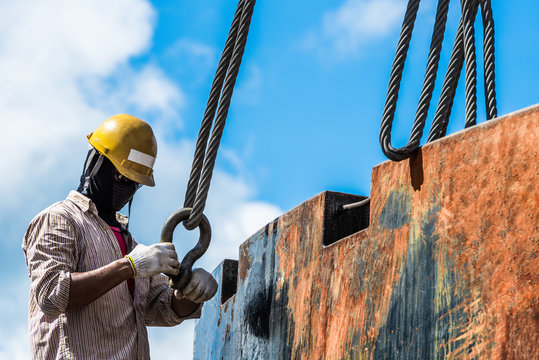
Rigging & Slinging
What you will learn
Introduction to Rigging and Slinging:
Understanding the fundamental concepts of rigging and slinging in various industries.
Learning the importance of proper techniques for safe lifting and moving of loads.
Rigging Equipment and Gear:
Learning about different types of rigging equipment, such as slings, shackles, hooks, and hoists.
Understanding their characteristics, uses, and limitations.
Safe Lifting Practices:
Learning the principles of safe lifting, including load stability, balance, and control.
Understanding how to prevent load shifts and accidents during lifting.
Types of Slings:
Understanding the various types of slings used in rigging, including wire rope, chain, synthetic, and webbing slings.
Learning the proper applications and inspections for each type.
Sling Angles and Capacity:
Learning how sling angles affect the load's lifting capacity.
Understanding how to calculate load weights and angles for safe lifting.
Slinging Techniques:
Learning proper methods for attaching slings to loads and lifting points.
Understanding how to create effective and secure attachment points.
Knots and Hitches for Rigging:
Learning essential knots and hitches used in rigging applications.
Understanding how to tie knots securely to prevent load shifting.
Load Control and Movement:
Understanding techniques for controlling the movement of loads during lifting and lowering.
Learning how to communicate effectively with crane operators.
Lifting Plans and Risk Assessment:
Learning how to create lifting plans that consider load weight, dimensions, and environmental factors.
Understanding the importance of risk assessment and mitigation.
Crane Signals and Communication:
Learning standardized hand signals and communication methods used between riggers and crane operators.
Understanding the importance of clear and accurate communication.
Inspection and Maintenance:
Learning how to inspect rigging equipment for wear, damage, and defects.
Understanding the importance of regular maintenance and proper storage.
Environmental Factors:
Understanding how environmental conditions, such as wind and weather, impact rigging operations.
Learning to assess and address potential challenges.
Emergency Procedures and Response:
Understanding emergency response procedures in case of accidents or equipment failure.
Learning how to respond quickly and effectively to ensure safety.
Regulations and Standards:
Understanding relevant regulations and industry standards governing rigging and lifting operations.
Learning to ensure compliance with safety guidelines.
Documentation and Record Keeping:
Learning how to maintain accurate records of rigging and lifting operations.
Understanding the importance of proper documentation.
Hands-on Practical Exercises:
Participating in hands-on exercises to practice rigging and slinging techniques.
Team Coordination:
Learning effective communication and coordination within a team during complex emergency situations.
Patient Assessment and Monitoring:
Expanding assessment skills to monitor patients' conditions over time.
Learning to recognize deteriorating conditions and respond accordingly.